Amalfi Coast FAQs + Unpopular Opinions: What You Need to Know Before You Go
Planning a trip to the Amalfi Coast can be very exciting, especially since this region is known for being one of the most aesthetic coastlines in the world — but it can also feel overwhelming. Between the glossy photos, mixed advice online, and the endless “must-see” lists, it’s easy to lose sight of what actually makes this place special. After years of visiting, I’ve learned a few truths people don’t talk about enough: timing genuinely matters, you don’t need to squeeze five towns into two days, and renting a car is almost always more stressful than it is practical.
And yet, as much as there is to learn before you go, it’s just as important to leave space for the moments you can’t plan. Some of my favorite Amalfi Coast memories have come from simple days spent wandering without an agenda — not glued to my phone searching for the “must-visit” spots, but genuinely getting lost in the village and letting the day unfold on its own.
Below, I’m answering the questions I’m asked most about visiting the Amalfi Coast, with honest guidance and a few gentle unpopular opinions I promise you’ll be glad you heard before you book.

1. What is the best airport to fly into for the Amalfi Coast?
Most travelers fly into Naples International Airport (NAP) — it’s the closest major airport and the easiest gateway to the coastline. From Naples, you’re about 60–90 minutes by private transfer to Positano or Amalfi.
Rome (FCO) is also an option, especially for international routes or better flight pricing, but it adds roughly three hours to your journey. If you’re already planning a few days in Rome before heading south, flying into FCO makes perfect sense.
2. How do I get from the airport to the Amalfi Coast (and around once I’m there)?
From Naples, the most seamless route is booking a private driver directly to your hotel or villa — it’s comfortable, efficient, and eliminates the stress of local transit on day one.
Once you’re settled on the Amalfi Coast, ferries are the most enjoyable and efficient way to move between the major towns — especially between Positano, Amalfi, Sorrento, and the island of Capri. High-speed ferry companies like Travelmar, NLG, and PositanoJet run frequent routes from spring through early fall, with schedules stretching from morning into early evening. Tickets can be purchased at the port or booked online in advance, and if you’re planning popular day trips (like Positano to Capri or Amalfi to Positano), booking ahead can save a lot of time. Ferries are fast, scenic, and far more relaxing than navigating coastal traffic, making them one of the best transportation options for the Amalfi Coast.
And no, you absolutely do not want to rent a car here. Parking is a project, the roads are narrow, and driving often takes longer than ferries. Let someone else handle the navigation so you can actually enjoy the coastline.
For private transfers in and around Europe, I always book with Daytrip. They work with English-speaking drivers who are true professionals and know the regions incredibly well. They can even arrange customized stops and full “day trips” along your route if you’d like to turn the transfer into part of the experience.
3. Where should I stay: Positano, Amalfi, or Sorrento?
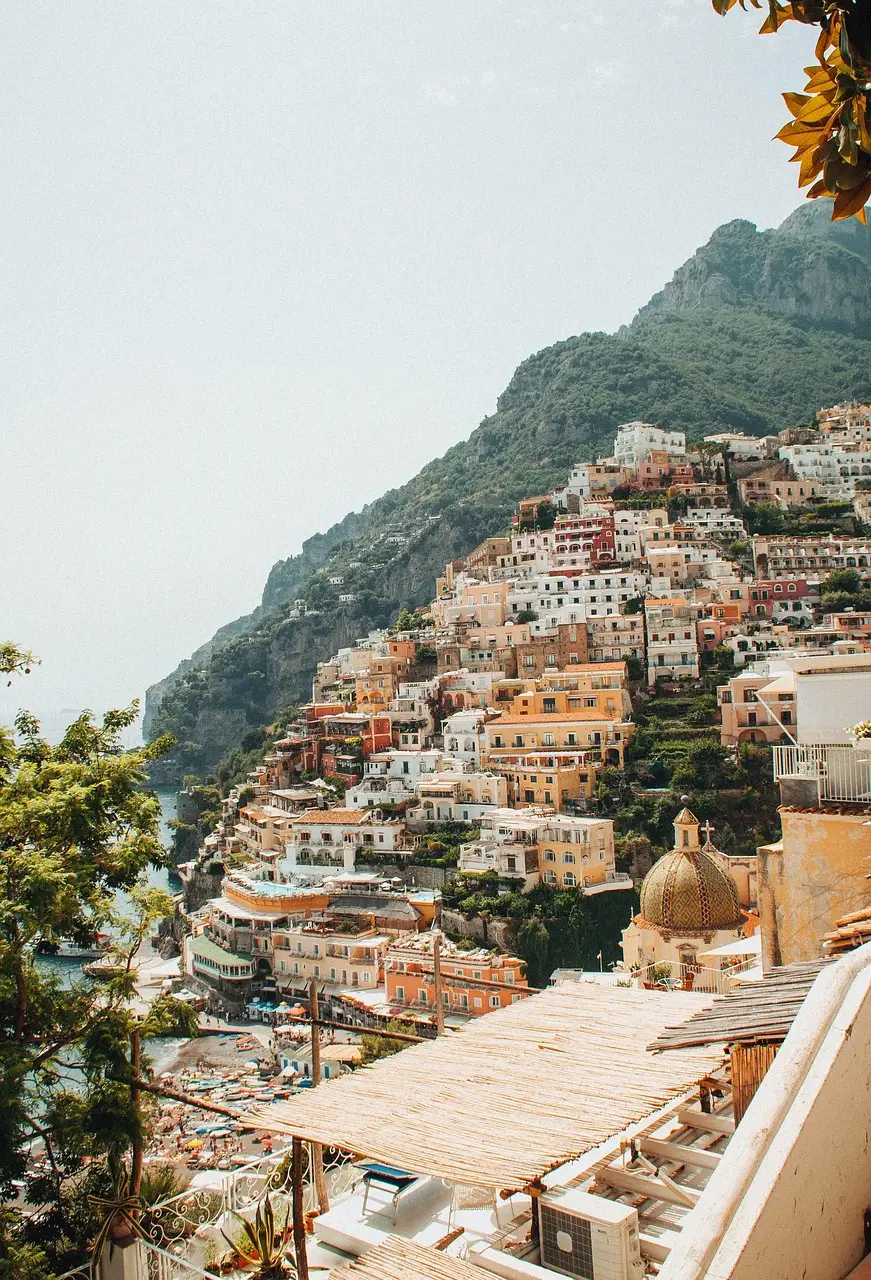
Positano is the classic Amalfi Coast experience — the dramatic cliffside views, the walkability, the fashion and dining scene, and that romantic, cinematic energy. The tradeoff? Stairs, higher prices, and a little more bustle. But for a first visit, Positano is worth every step.
AIf mobility is a concern, Amalfi is your ideal choice since it’s mostly flat and central to many things to do. From here, you can reach Atrani, Ravello, Minori, and Maiori in minutes — each offering a quieter, more authentic side to the coastline.
Sorrento isn’t technically on the Amalfi Coast, but it’s a popular base, especially for families or cost-conscious travelers. It offers train access to Naples, easier driving conditions, and more hotel availability. Keep in mind though, that it doesn’t deliver the same picturesque views you’ll find in Positano or Amalfi.
Overall, if you’re dreaming of that Pinterest-perfect Amalfi Coast glamour, choose Positano. If you prefer a slightly quieter stay with more local charm, Amalfi is a wonderful option. Sorrento is great for convenience and accessibility, but for a once-in-a-lifetime trip, most travelers are happiest staying directly on the Amalfi Coast itself.
4. When is the best time to visit the Amalfi Coast?
The best time to visit the Amalfi Coast is between May and September, when the weather is warm and the coastline is fully alive with boat tours, beach clubs, and long days by the sea. There’s a lot of misinformation online recommending shoulder season to avoid crowds, but the reality is that many beach clubs close by late August, and some of the best hotels shut down for winter. So while it may be an unpopular opinion, I don’t think shoulder season is worth it if you’re coming for the full Amalfi Coast experience.
5. How long do I actually need on the Amalfi Coast?
For a trip that feels relaxed rather than rushed, aim for four to seven nights on the Amalfi Coast. Two or three nights will give you a taste, but this stretch of coastline deserves room to breathe — slow mornings on the terrace, long lunches that spill into the afternoon, boat days, and evenings lingering over dessert.
Most travelers choose either Positano or Amalfi as a home base, and both work beautifully. Positano offers that quintessential Amalfi Coast experience: walkable beach access, a lively dining scene, and an atmosphere that feels glamorous and romantic. Amalfi is slightly calmer and wonderfully central, making it easy to explore nearby towns like Ravello, Atrani, and Minori without spending too much time in transit.
If you have the luxury of a longer trip, adding a few nights in Capri is absolutely worth it. The island has a completely different vibe — it’s more exclusive, more intimate, and absolutely stunning. The easiest way to reach Capri is by ferry or private boat from Positano or Sorrento, and arriving by water is part of the magic.
6. Should I stay in a hotel or a villa on the Amalfi Coast?
Both options offer something wonderful, but the best choice really comes down to the style of Amalfi Coast experience you want.
Hotels are the easiest, most seamless option — especially for first-time visitors. Daily breakfast is taken care of, concierge teams handle the logistics you don’t want to think about, and many luxury hotels include pools, private beaches, or boat access. You’re steps from restaurants, shops, and the energy of town, and you never have to worry about arranging transportation to dinner. The trade-off is cost and space: hotel rooms on the Amalfi Coast tend to be smaller, and the premium for top-tier views can be significant.
Villas and vacation homes offer a different kind of experience — mornings on your own terrace, long lunches at home, and true privacy. They’re incredible for groups or longer stays, and they allow you to settle into a slower pace during your visit. But, villas demand that you choose carefully. Location matters enormously here: a breathtaking rental high above town may look perfect online, yet require endless stairs or a 20-minute drive to the beach. Many villas don’t include daily housekeeping or concierge support unless arranged separately, which means more planning and less spontaneity.
The truth is that both can be exceptional if they align with your travel style. If you want to step straight into the classic Amalfi Coast lifestyle, a hotel is hands-down the more effortless way to experience it. If you’re dreaming of privacy, terrace dinners, and waking up to silence above the sea, a villa would probably be your ideal choice.
Final thoughts before you book…
I hope these Amalfi Coast travel tips and FAQs give you a clear and confident starting point for planning your trip. Once you understand the timing, transportation, and the different towns along the coastline, everything begins to feel far less overwhelming. From there, the Amalfi Coast becomes exactly what it should be: a breathtaking Italian escape filled with beauty, ease, and unforgettable moments.
If you’d like to dive deeper, my Ultimate Guide to the Amalfi Coast offers a beautifully organized breakdown of hotels and villas, the best beach clubs and restaurants, day trips, boat tours, and further FAQs for visiting. It’s a 60-page eBook designed to make planning effortless, covering Positano, Amalfi, Conca dei Marini, Ravello, Sorrento, and more, so you can focus on the experience rather than the research.
Quick Links & Amalfi Coast Resources: