How to Travel Italy by Train: 5 Scenic Routes You Need to Experience
There’s something inherently romantic about train travel in Italy—watching the Tuscan countryside unfold through your window, sipping an espresso as coastal cliffs come into view, settling into your seat as the train glides effortlessly between centuries-old cities. While flying between Italian destinations might save an hour or two, you’ll miss the journey itself, and in Italy, the journey is half the magic. Italy’s high-speed rail network, anchored by Trenitalia’s Frecciarossa trains, has transformed intercity travel into an experience worth savoring. These sleek, modern trains connect Italy’s most coveted destinations with remarkable efficiency, often delivering you city-center to city-center faster than flying when you factor in airport transfers and security lines. But beyond mere convenience, train travel in Italy offers something more valuable: the luxury of time. Time to watch landscapes transform. Time to ease into your destination. Time to travel well, rather than simply arrive. Here are five of Italy’s most worthwhile train routes—each offering its own particular beauty, each worth experiencing at least once.
Rome to Naples: The Gateway South
Duration: 1 Hour 10 Minutes
This route carries you from the capital’s grandeur to Naples’ vibrant energy, cutting through Lazio’s gentle hills and volcanic landscapes as you approach Campania. It’s the beginning of so many Italian adventures—the route that leads to the Amalfi Coast, to Pompeii, to Capri’s blue waters.
Frecciarossa trains depart Roma Termini with frequent service throughout the day, arriving at Napoli Centrale in approximately 1 hour and 10 minutes. The frequency speaks to this route’s popularity—it’s one of Italy’s most traveled corridors, connecting two of the country’s most essential cities. The trains themselves are exceptionally comfortable. Frecciarossa offers four service levels: Standard, Premium, Business, and Executive. For this relatively short journey, Premium offers the sweet spot—leather seats with ample legroom, electrical outlets, and complimentary WiFi, all at a reasonable premium over Standard class.
Tickets typically start from around €25-30 in Standard to €50-60 in Premium when booked in advance. Last-minute fares can climb significantly, so booking 1-2 weeks ahead yields the best value. Service runs from early morning through late evening.
Book early morning departures if you’re continuing to the Amalfi Coast—you’ll arrive in Naples with the full day ahead to catch the Circumvesuviana to Sorrento or a private transfer to Positano. The Rome-Naples route also serves as your connection to Pompeii and Herculaneum; you can transfer to local trains serving the archaeological sites.
Florence to Milan: The Renaissance to Fashion Capital
Duration: Approximately 2 Hours
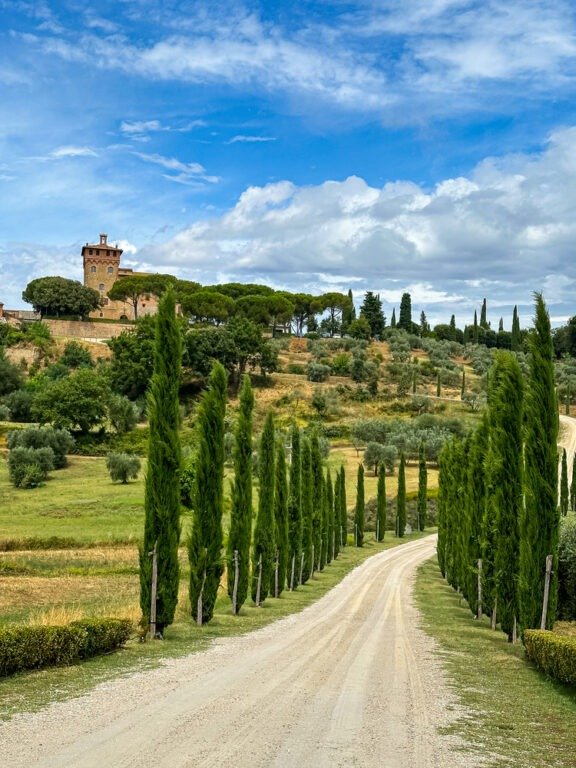
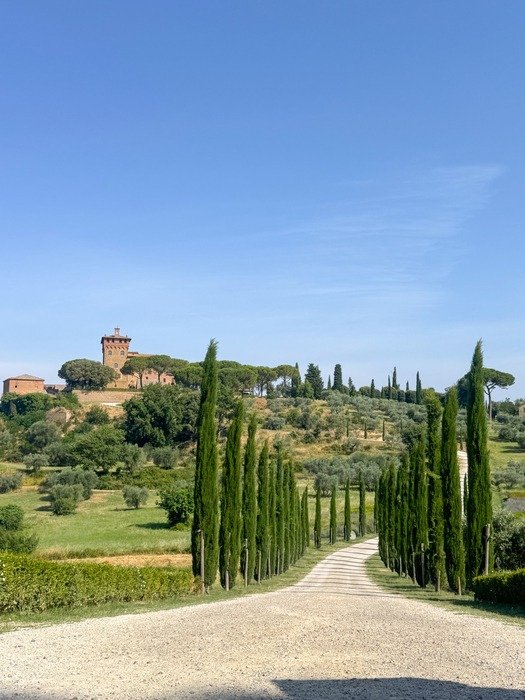
This journey traces Italy’s economic and cultural heart, connecting Florence’s Renaissance treasures with Milan’s contemporary sophistication. You’ll pass through the Apennines and cross the Po River valley, watching Tuscany’s cypress-lined hills give way to Lombardy’s prosperous plains.
Frecciarossa trains on the Florence-Milan route represent Italian high-speed rail at its finest. Traveling at speeds up to 300 km/h (186 mph), these trains make the journey in approximately 1 hour 50 minutes to 2 hours 15 minutes depending on the specific service, with frequent departures throughout the day from Firenze Santa Maria Novella to Milano Centrale. This is a journey worth experiencing in Business class if your budget allows. The seats are configured 1-2 across the aisle (versus 2-2 in Premium), offering genuine space and comfort. Business class passengers receive welcome beverages, Italian newspapers, and access to Milano Centrale’s elegant executive lounges—a particularly nice touch if you have time before an onward connection.
Standard class tickets begin around €35-45, Premium around €55-70, and Business class around €80-100 when booked in advance. The route operates from early morning through late evening, with increased frequency during peak business travel hours.
Milano Centrale is one of Europe’s grand railway stations, but it’s also enormous and can be overwhelming. Your train will likely arrive at one of Centrale’s 24 platforms; allow at least 15 minutes to navigate to your onward connection or exit. If you’re heading to Milan’s fashion district or Duomo area, the metro is steps from the train platforms—take the M2 (green line) or M3 (yellow line)
Florence to Venice: Art Cities by Rail
Duration: Approximately 2 Hours
Few train journeys capture Italy’s artistic soul quite like this one. You’ll depart Florence surrounded by Brunelleschi’s dome and the Arno’s gentle curves, then watch as the Apennines rise and fall, eventually descending toward the Venetian lagoon where the city of canals shimmers in the distance.
The Frecciarossa completes this journey in approximately 2 hours to 2 hours 15 minutes, making it one of the most efficient ways to experience two of Italy’s most magnificent cities in a single trip. Trains depart Firenze Santa Maria Novella with regular service throughout the day, arriving at Venezia Santa Lucia—Venice’s main station, perfectly positioned at the edge of the Grand Canal.
There’s something particularly special about arriving in Venice by train. Unlike the airport transfer by water taxi (admittedly romantic in its own right), the train delivers you directly to Venice’s heart, steps from vaporetto stops and the beginning of countless walking routes through the city’s labyrinthine streets. Premium class serves this route particularly well. The 2-hour journey is long enough to settle in with a book or some work, but not so long that you need the full recline and meal service of Business class. Premium’s leather seats, power outlets, and generous seat pitch strike the right balance.
Advance-purchase standard tickets typically start around €30-40, with Premium around €50-65. Service runs from early morning through late evening with consistent departures throughout the day.
Venezia Santa Lucia sits right on the Grand Canal, and the view as you exit the station is genuinely breathtaking—one of travel’s great arrivals. Vaporetto (water bus) stops are immediately to your left as you exit. If your hotel is near San Marco, take Line 1—it’s the slower route but travels the length of the Grand Canal, offering incomparable views. Be mindful that Venice has two main stations: Santa Lucia (on Venice island itself) and Venezia Mestre (on the mainland). Always book to Santa Lucia unless you specifically intend to stay in Mestre. The stations are only one stop apart, but that one stop makes all the difference.
Naples to Sorrento: The Coastal Connector
Duration: Approximately 1 Hour
This journey marks the transition from urban Italy to coastal paradise, carrying you from Naples’ intensity to Sorrento’s clifftop elegance. It’s the route that begins countless Amalfi Coast adventures, the path to Positano’s vertical beauty and Capri’s blue grottoes. Unlike the other routes in this guide, the Naples-Sorrento line is not served by Frecciarossa trains. Instead, you’ll travel on the Circumvesuviana, a regional railway that’s decidedly more local and less luxurious—but utterly essential for reaching the Amalfi Coast.
The Circumvesuviana departs from Napoli Garibaldi station (beneath Napoli Centrale, where Frecciarossa trains arrive) with frequent service throughout the day. The journey takes approximately 50 minutes to 1 hour 10 minutes depending on the specific service, making stops at Pompeii Scavi (for the archaeological site) and several small towns before arriving at Sorrento. This is not a high-speed, high-comfort experience. The Circumvesuviana is a commuter train—functional, frequent, and occasionally crowded. Seats are basic, air conditioning can be inconsistent in summer, and luggage space is limited. But it’s also authentic, affordable (around €4-5 one-way), and the only train route to Sorrento.
Trains run from early morning through late evening. There’s no need to book in advance—simply purchase tickets at the Circumvesuviana ticket office in Napoli Garibaldi station or from ticket machines. Keep your ticket for the duration of the journey, as inspectors regularly check tickets onboard.
If you’re traveling with substantial luggage or prefer more comfort, consider a private transfer from Naples to Sorrento instead. The drive takes about 75 minutes and costs €100-150, offering door-to-door service and the chance to stop at viewpoints along the way.
For those continuing to Positano or other Amalfi Coast towns, you’ll need to catch the SITA bus from Sorrento’s bus terminal (a 5-minute walk from the train station) or arrange a private transfer.
Rome to Florence: The Classic Route
Duration: Approximately 1 Hour 30 Minutes
This is perhaps the quintessential Italian train journey—connecting two of the world’s most culturally significant cities through the heart of central Italy. The route follows ancient corridors through Umbria and Tuscany, passing medieval hilltop towns and vineyard-covered slopes. Frecciarossa trains on the Rome-Florence route are exceptionally frequent, with departures throughout the day from Roma Termini to Firenze Santa Maria Novella.
The journey takes approximately 1 hour 30 minutes on the fastest services, making it significantly more convenient than driving the same distance.This route’s frequency makes it particularly flexible for travelers—there are multiple departure options throughout the day. That said, Trenitalia’s base fares increase as departure time approaches, so advance booking still offers significant savings. For this medium-length journey, Premium class offers genuine value. The seat comfort matters more than it would on a shorter trip, the complimentary WiFi is reliably strong (useful for the working traveler), and the slightly quieter carriages make for a more relaxing journey. Executive class, with its 1-1 seating configuration, is wonderfully spacious but represents a significant premium for a journey under two hours.
Standard class tickets typically range from €30-50 depending on booking window and time of day. Premium class runs €50-75, while Business and Executive can reach €100 or more for same-day bookings. Service runs from early morning through late evening.
If you’re traveling during peak tourist season (April through October), book your seat on the left side of the train when traveling north from Rome to Florence. As you approach Tuscany, you’ll enjoy better views of the countryside. When traveling south from Florence to Rome, choose the right side for the same reason. Roma Termini is Italy’s busiest train station, serving millions of passengers annually. It can feel overwhelming, but it’s well-organized once you understand the layout. High-speed trains depart from the main platforms, accessed via the departures hall. Arrive 15-20 minutes before departure to allow time for finding your platform and boarding.
Firenze Santa Maria Novella is much smaller and more manageable. The station sits just steps from Florence’s historic center—you can walk to the Duomo in 10 minutes, reaching the heart of Renaissance Florence almost immediately upon arrival.
Booking Your Italian Train Journey: Practical Guidance
Where to Book
Trenitalia’s official website (trenitalia.com) and app offer the most comprehensive options and best prices. The interface is available in English and accepts international credit cards. Italo (italotreno.it) operates competing high-speed service on some routes and occasionally offers competitive fares, though Trenitalia’s network is more extensive.
For English-speaking travelers who prefer a more intuitive booking experience, platforms like Omio and Trainline aggregate multiple carriers and offer clear English-language interfaces, though they sometimes add small booking fees.
When to Book
Trenitalia releases tickets several months in advance. Prices start at their lowest and increase as departure approaches and seats sell. Book 2-4 weeks ahead for the best balance of flexibility and value. Last-minute same-day tickets can cost significantly more than advance-purchase prices.
Ticket Flexibility
Base Economy tickets are typically non-refundable and non-changeable. For a premium, flexible tickets allow changes and offer partial refunds. Premium, Business, and Executive class tickets generally include more flexibility. Consider your plans carefully before committing to the cheapest non-flexible option.
Rail Passes
Rail passes exist but rarely offer value for most travelers. Point-to-point tickets booked in advance are almost always more economical unless you’re taking numerous long-distance train journeys in a short period. Calculate your specific routes before investing in a pass.
The Art of Train Travel in Italy
Train travel in Italy isn’t simply about getting from Point A to Point B—it’s about honoring the journey itself, about moving through the world with intention rather than haste. It’s about watching landscapes transform, about arriving in a new city energized rather than depleted, about the particular pleasure of settling into your seat with an espresso and a good book while the countryside scrolls past.
The Frecciarossa and Italy’s high-speed rail network have made this kind of travel more accessible than ever, connecting the country’s essential cities with remarkable efficiency and genuine comfort. But the trains have also preserved something valuable: the experience of travel as a pleasure in itself, as a transition worth savoring, as part of the adventure rather than an obstacle to it.
So book your tickets, choose the window seat, and let Italy’s trains carry you where you’re meant to go. The journey, as they say, is the destination—and nowhere is that more true than on Italy’s rails.